


Do Beef Liver Capsules Affect Cholesterol?
If you have been told to watch your cholesterol, you may be cautious about adding organ meats like liver to your diet. After all, liver is a source of dietary cholesterol.
As a researcher with a PhD in human physiology and 30 years in academia, I believe we need to look beyond a single cholesterol number to understand true cardiovascular and metabolic health.
The Numbers: How much cholesterol is in a capsule?
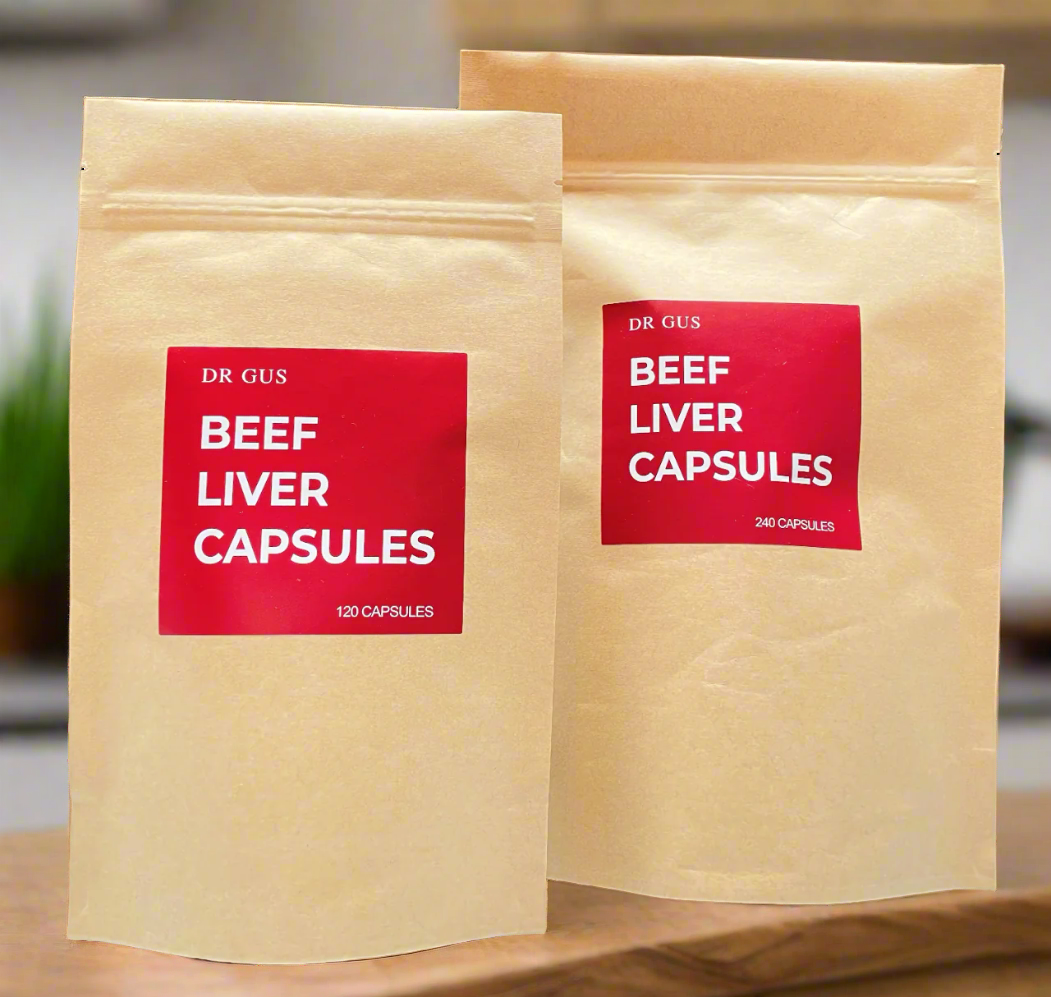
First, let's look at the actual contribution. A daily serving of 2–6 DR GUS Beef Liver Capsules provides approximately 1g to 3g of freeze-dried organic beef liver.
-
1g (2 capsules): Approx. 8mg of cholesterol
-
3g (6 capsules): Approx. 24mg of cholesterol
To put that in perspective, a single large egg contains about 186mg of cholesterol. For most people, dietary cholesterol from whole foods has a modest and variable effect on blood levels compared to the cholesterol the body produce itself.
Beyond the LDL Number: A Metabolic Perspective
In my professional view, high total cholesterol or "bad" LDL is often not the root of the problem. Instead, we should be looking at the metabolic environment in which those particles circulate.
I believe the real drivers of vascular damage are insulin resistance, chronic inflammation, and the consumption of highly processed seed oils. Lipoproteins are essentially transporters; they are not inherently "bad." My personal research interests lean toward how oxidised fats (often from seed oils) and systemic inflammation affect heart health, as well as the role of healthy fascia in maintaining blood vessel integrity.

A Note for Women: Menopause and Cholesterol
If you are a woman over 40, it is important to know that cholesterol levels frequently rise naturally during and after menopause.
We receive incredible feedback from women in menopause who report feeling better after adding beef liver to their routine. However, if you see a change in your blood lipid results during this stage of life, don't automatically assume it is caused by a supplement. Hormone changes play a massive role in your metabolic profile. I always recommend using routine NHS health checks to monitor your markers in the context of your overall health.
The "Dr Gus" Metabolic Clean-Up
Instead of fearing whole-food nutrients, I suggest focusing on these metabolic foundations:
-
Ditch the Seed Oils: Swap highly processed vegetable and seed oils for traditional fats like butter, tallow, ghee, or coconut oil.
-
Watch the Sugar: Limiting refined carbohydrates and sugar is often the most effective way to improve your triglyceride and insulin profile.
-
Prioritise Whole Foods: My personal routine is an animal and seafood-based diet with organic fruits, vegetables, and sourdough bread. If you want to cover more nutritional bases in one go, our Grass-Fed Beef Organ Capsules (Liver, Heart & Kidney) are a convenient option.
-
Lifestyle Basics: Never underestimate the power of caffeine-free living, no alcohol, plenty of sunlight, and restorative sleep.

Sensible Guidance
If you have been diagnosed with high cholesterol, are taking statins, or have a history of cardiovascular disease, you should always consult your GP before starting a new supplement. While I have little time for the "advice" often found in high-street pharmacies, your GP is the right person to monitor your specific medical markers. If you are curious about what we offer, you can browse our full range of Beef Organ Supplements and find the right fit for your routine.
Leave a comment
Comments will be approved before showing up.