

Why Do People Take Beef Liver Capsules?
People take beef liver capsules because they want a convenient way to include liver in their routine—without the strong taste, texture, shopping, preparation or storage that comes with eating fresh liver.
Liver is naturally rich in nutrients, but it is not a food everyone enjoys. Capsules offer a straightforward alternative: freeze-dried liver, ground into a powder and put into a capsule. They can complement a balanced diet, but they are not a substitute for one.
Why liver capsules appeal
There are a few reasons this product category has become popular.
A practical alternative to eating liver
Some people enjoy fresh liver. Many do not. It has a distinctive flavour and texture, and it can feel inconvenient to buy, store and cook regularly.
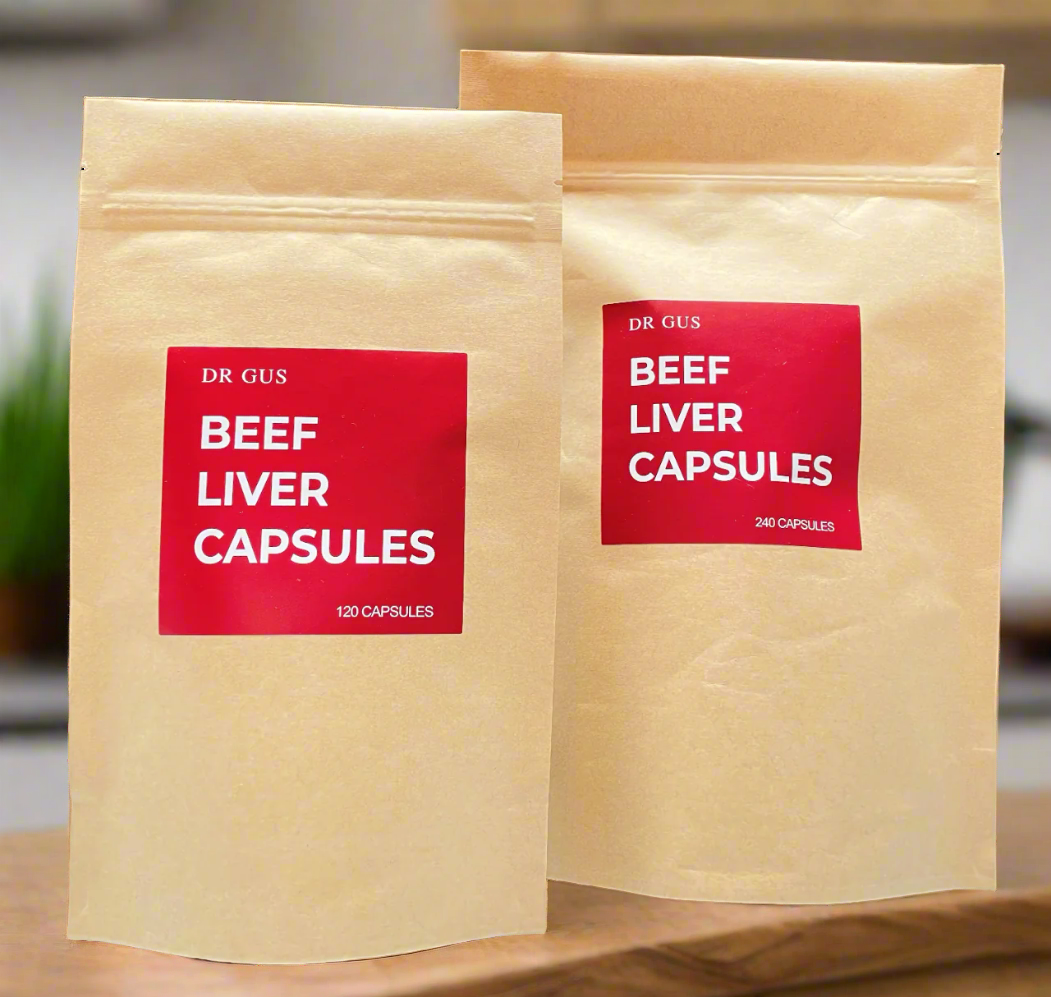
Beef liver capsules are for people who like the idea of including liver in their diet but would rather not eat it on a plate. DR GUS Beef Liver Capsules contain just beef liver in a gelatin capsule, with no added flavourings or long list of extra ingredients.
A food-based source of nutrients
Beef liver contains naturally occurring nutrients including vitamin A, vitamin B12, folate, choline, copper, iron, selenium and zinc. DR GUS has commissioned laboratory analysis of its freeze-dried liver powder; the results reported vitamin B12, folate, copper, iron, zinc and other nutrients, with retinol/vitamin A separately tested in 2023.
That is why people often look at liver capsules when they want a simple, food-based addition to a nutrient-conscious routine.
For example, vitamin B12 contributes to normal energy-yielding metabolism and to the reduction of tiredness and fatigue. Folate can also reduce tiredness and fatigue.
That does not mean a capsule is a treatment for fatigue, low iron or a diagnosed deficiency. Feeling persistently tired, weak, breathless or “not yourself” can have many causes. If you think you may have a deficiency, a clinician can help investigate it properly.
A simple routine for busy people
Many customers are not looking for a dramatic quick fix. They want something easy to take consistently alongside good food, sleep, movement and the other basics that support health.

DR GUS recommends starting with two capsules a day with food. If appropriate, you can gradually build up toward the label maximum of six capsules a day, or follow the advice of a healthcare practitioner. Some people take their full serving with breakfast; others spread it across meals.
What capsules cannot replace
A common misunderstanding is that someone can eat poorly, take a supplement and assume it has “covered for all their sins.”
That is not how nutrition works.
Beef liver capsules may be a useful addition to a balanced routine, but they cannot replace meals built around a variety of foods. They do not compensate for a consistently low-quality diet, inadequate protein or fibre, poor sleep, chronic stress, or an underlying medical issue.
Think of them as a convenient way to include freeze-dried liver—not a shortcut around the foundations of health.
Why choose DR GUS?
DR GUS sources beef liver from Piercebridge Organics, a local farm certified organic by the Soil Association.
The liver arrives in vacuum-sealed packs and is generally frozen within around three hours of receipt. It is then freeze-dried at low temperature, a process that usually takes around 24–36 hours. Once dried, it is ground, sealed to protect it from air and moisture, encapsulated and pouched in Hurworth, County Durham.

Laboratory testing has reported no Salmonella or Listeria species detected in a 25 g ox-liver-powder sample, alongside very low reported counts for other microbiological indicators tested. Those certificates relate to the samples tested and are part of DR GUS’s wider process and documentation.
“We created DR GUS Beef Liver Capsules because we saw good beef liver going to waste. Liver is naturally rich in several essential nutrients, but many people do not enjoy its taste or texture. We wanted to make it simpler for people to include a liver-based supplement in their routine.”
Vitamin A: an important consideration
Liver is naturally high in preformed vitamin A, also known as retinol. DR GUS’s 2023 certificate of analysis reported 5,390 µg retinol per 100 g in the tested freeze-dried ox liver sample.
The product page lists 539 µg vitamin A per two capsules. At the upper suggested serving of six capsules, that would be approximately 1,617 µg vitamin A, based on the product-page figures.
This is why it is important to follow the label, begin at the lower serving, and consider your total intake from food and other supplements. In particular, do not casually combine liver capsules with other retinol-containing supplements, such as vitamin A supplements or cod liver oil.
People who are pregnant, trying to conceive or could become pregnant should avoid liver and vitamin-A-containing supplements unless a doctor or antenatal clinician has specifically advised otherwise.
Parents considering a liver-based supplement for a child should also seek individual advice from a GP or paediatric dietitian before use.
Frequently asked questions
Can I take beef liver capsules every day?
Follow the suggested serving on the label: two to six capsules daily, or as advised by a healthcare practitioner. Take account of your overall diet and any other supplements, particularly products containing vitamin A or retinol.
Should I take beef liver capsules with food?
DR GUS recommends taking them with food. You can take the full serving with one meal or split capsules across meals, depending on what is most convenient and comfortable for you.
Are beef liver capsules suitable during pregnancy or for children?
Take professional advice when wanting to consume liver-based supplements during pregnancy or when trying to conceive. This is because liver contains preformed vitamin A. For children, seek advice from a GP or paediatric dietitian before use.
Explore the range
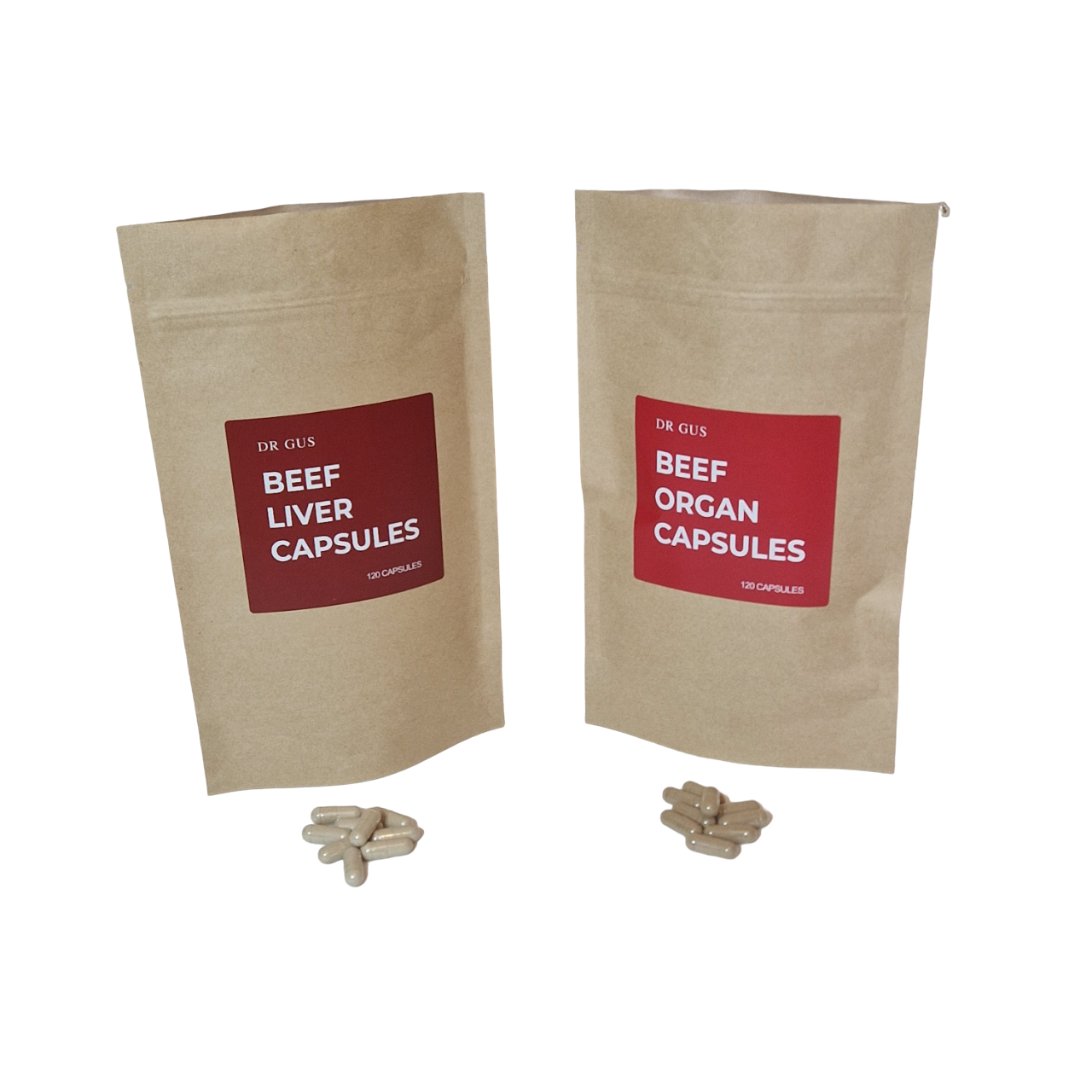
If you want a straightforward, UK-made liver-based supplement, explore DR GUS Beef Liver Capsules, Beef Organ Capsules, or the wider Beef Organ Supplements collection.
Leave a comment
Comments will be approved before showing up.