

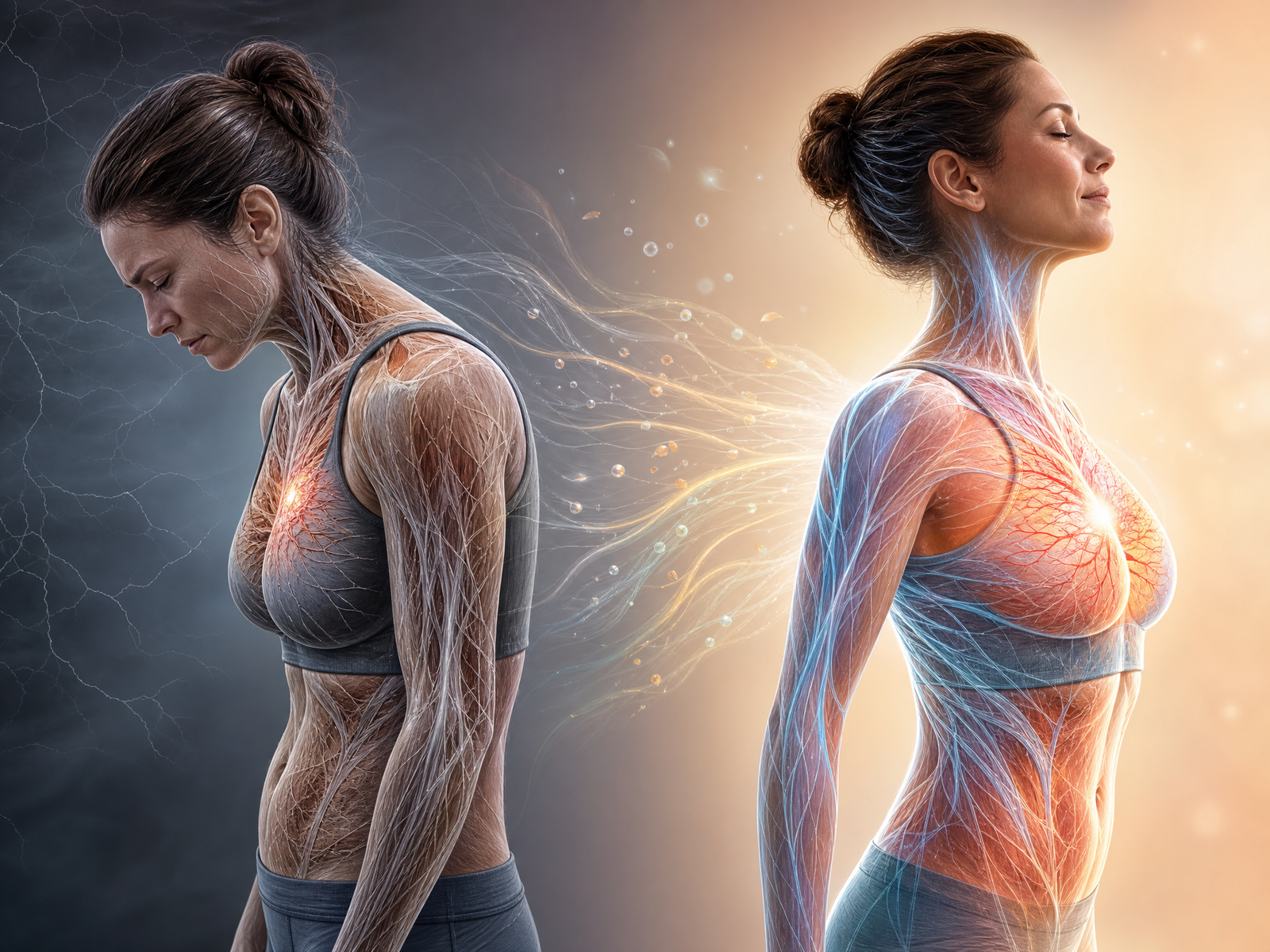

Fascia & Heart Disease 2
Fascia, Stress & the Heart — The Nervous System Link
Most people think stress is something that happens in the mind.
But stress also becomes physical.
It changes breathing patterns, increases muscular tension, alters circulation, raises cortisol and adrenaline, and over time can reshape the fascia itself through the deposition of fibrotic collagen.
Importantly, this process does not happen from emotional stress alone.
Fascia can also become fibrotic and stiff through:
- Poor posture
- Sedentary living
- Repetitive movement patterns
- Chronic inflammation
- Lack of movement variability
- Old injuries
- Shallow breathing habits
- Excessive sitting
- Mechanical compression and tension

Over time, the body adapts to these patterns by laying down thicker, denser connective tissue — a process known as fibrosis.
This matters because fascia is deeply connected to the autonomic nervous system — the system that controls heart rate, blood pressure, vascular tone, and recovery.
And increasingly, researchers are recognising that chronic stress may be one of the most underestimated drivers of cardiovascular disease.
Stress and Heart Disease — The Numbers
The connection between stress and heart disease is now well established.
One of the largest international studies ever conducted — the INTERHEART study involving nearly 25,000 people across 52 countries — found that chronic psychological stress was associated with a significantly increased risk of heart attack.
Other studies have linked:
- Chronic work stress with higher rates of hypertension and coronary artery disease
- Social isolation and loneliness with increased cardiovascular mortality
- PTSD and chronic anxiety with elevated inflammatory markers and vascular dysfunction
- Poor stress resilience with higher rates of arrhythmias and cardiac events
Researchers at Harvard have also shown that increased activity in the brain's fear and stress centres strongly predicts future cardiovascular events.
Stress is not "just emotional." It is biological and mechanical.
Malcolm Kendrick and the Idea of "Strain"
Dr Malcolm Kendrick has argued that cardiovascular disease is not simply a cholesterol problem, but a problem of repeated stress and injury to the vascular system.
He describes how chronic stress creates ongoing physiological "strain" on the body:
- Increased sympathetic nervous system activation
- Elevated blood pressure
- Increased clotting tendency
- Higher cortisol and adrenaline
- Reduced recovery and repair
From a fascial perspective, this is highly relevant. When the body remains trapped in fight-or-flight physiology, fascia adapts to that state.
Muscles tighten. Breathing becomes shallow. The chest wall stiffens. The diaphragm loses mobility. The neck and upper thoracic fascia become dense and restricted.

At the same time, modern posture and lifestyle habits reinforce the same pattern physically. Forward-head posture, collapsed rib cages, rounded shoulders, prolonged sitting, and restricted gait mechanics all place chronic mechanical tension into the fascial system.
Eventually the body lays down more fibrotic collagen — thicker, stiffer connective tissue designed for protection and stability rather than elasticity and fluid movement.
The result is a body that remains physically braced, even at rest.
Can Posture Affect Anxiety?
This idea is increasingly recognised by movement practitioners. Many Functional Patterns practitioners report that as posture, breathing mechanics, and gait improve, many people also experience:
- Reduced anxiety
- Improved emotional regulation
- Better sleep
- Greater calmness
- Reduced feelings of "fight or flight"
While research is still emerging, there are several plausible mechanisms behind this:
- Improved diaphragmatic breathing
- Reduced sympathetic nervous system activation
- Better vagus nerve function
- Less compression through the chest and neck
- Improved circulation and oxygenation
- Reduced fascial tension signalling to the brain
In other words, posture may not simply reflect emotional state — it may also help shape it.
Fascia and the Nervous System
Fascia is packed with sensory nerve endings and communicates constantly with the brain. When fascia becomes stiff, compressed, dehydrated, or fibrotic, the nervous system interprets this as tension or danger.
That can reinforce chronic sympathetic dominance — the "fight or flight" state associated with:
- Increased heart rate
- Blood vessel constriction
- Elevated blood pressure
- Poor sleep
- Reduced digestion and recovery
- Increased inflammation
At the same time, the parasympathetic nervous system — especially the vagus nerve — becomes less effective. The vagus nerve acts as one of the body's major "braking systems," helping slow heart rate and promote recovery. But fascial restriction around the neck, chest, diaphragm, and rib cage may interfere with this calming feedback system.
The Diaphragm Connection
One of the most overlooked structures in cardiovascular health is the diaphragm. The diaphragm is not only a breathing muscle — it is also a major fascial hub connected to the ribs, spine, heart sac (pericardium), and vagus nerve pathways.
Chronic stress alters breathing mechanics: more upper chest breathing, less diaphragmatic movement, and increased tension through the thoracic fascia.
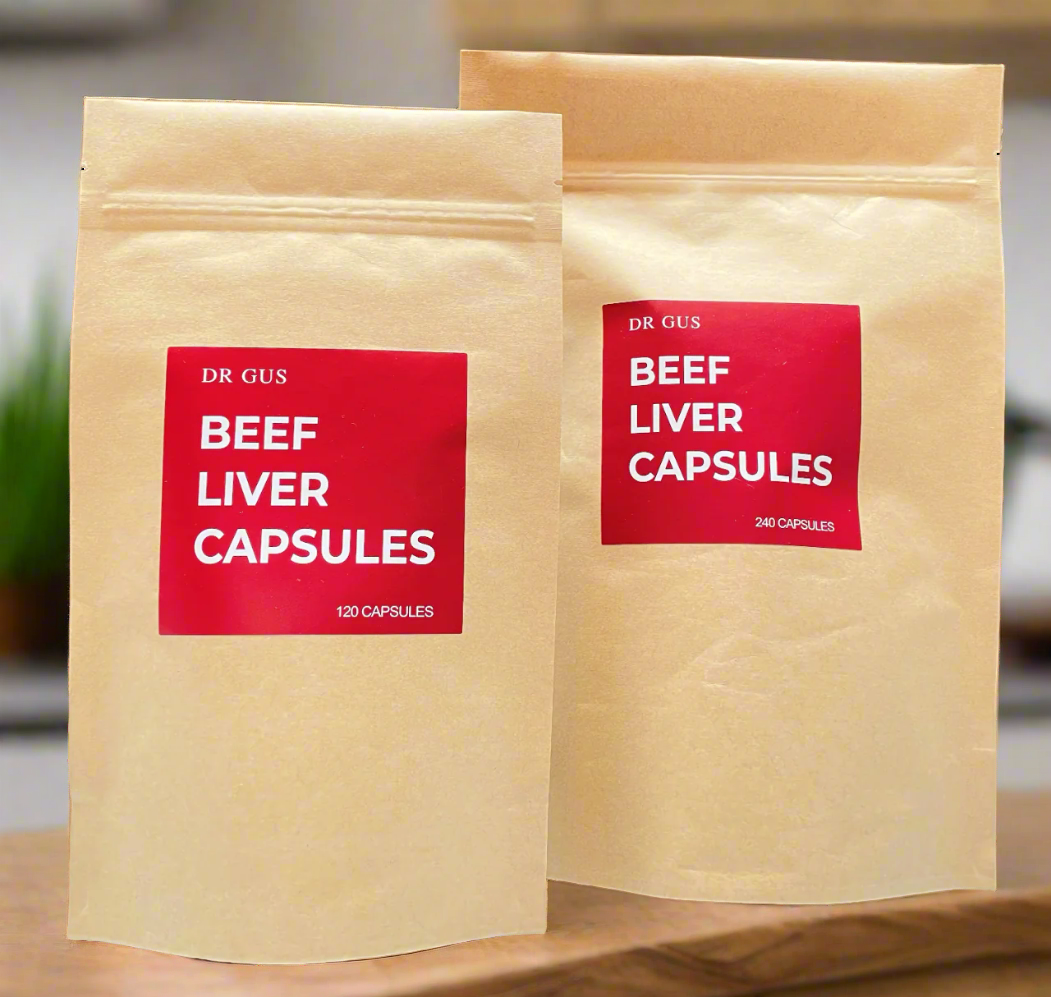
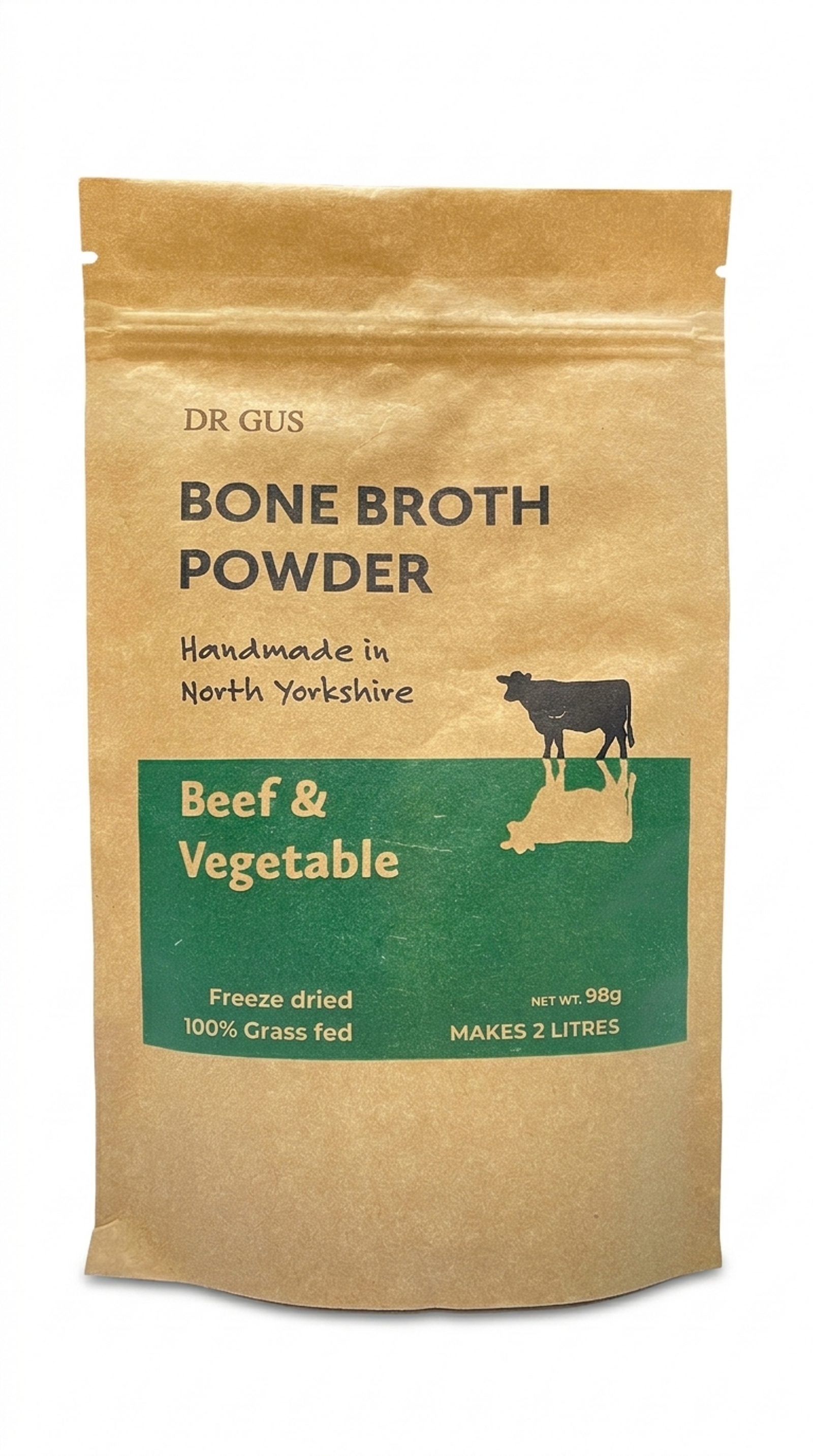
Support your fascia from within with our Bone Broth Powder range — a daily source of collagen and glycine to keep connective tissue hydrated and elastic. Pair with our Type II Collagen Capsules and Beef Organ Supplements for comprehensive nutritional support.
1 Response
Leave a comment
Comments will be approved before showing up.




Pam Dodds
August 27, 2026
Very interesting Paul. I had a foot operation early April and have had limited movement that has left me very sluggish and uncomfortable. I can’t wait to have the boot taken off soon and get back to my normal routines of walking and Tai Chi.